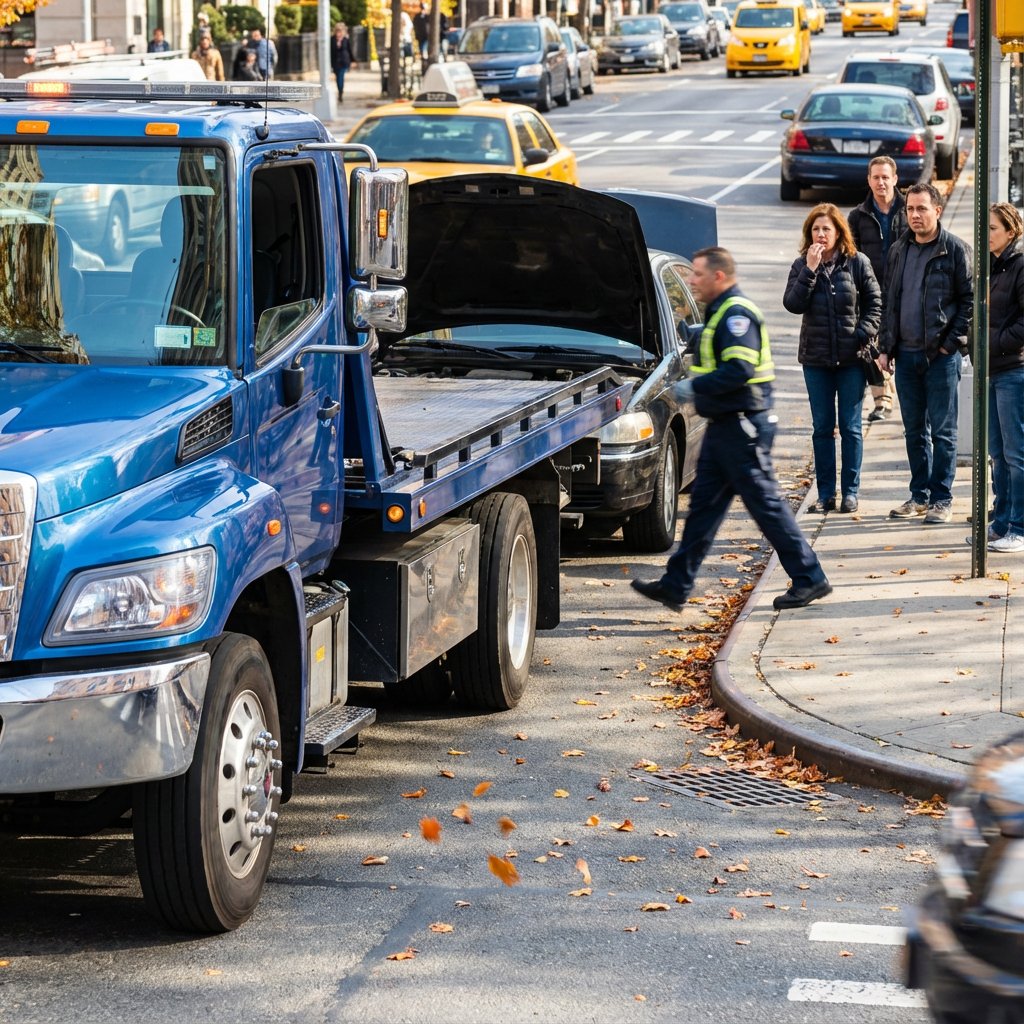
Do All Tow Truck Services Come Quickly?
When you find yourself in need of a tow, you might assume that help will arrive quickly. However, that's not always the case. Response times can fluctuate due to location, traffic, and even weather conditions. In urban areas, you may see faster service, but what about rural locations? With demand and driver availability also playing a role, it's vital to understand what influences how quickly help arrives. So, what factors should you consider?
Understanding Tow Truck Service Response Times
When you're stranded on the side of the road, knowing how long it’ll take for a tow truck to reach you can make a stressful situation a bit less intimidating.
Tow truck services usually promise quick response times, often between 30 minutes to an hour. However, this can vary based on the company and their location. Some companies utilize GPS tracking, allowing them to dispatch the nearest truck promptly.
It’s important to choose a service that prioritizes communication, keeping you informed about the wait time. Remember that during peak hours or bad weather, those estimates might change.
In any case, staying calm and having a reliable service number on hand can help alleviate your anxiety while waiting for assistance.
Factors Affecting Tow Truck Arrival Speed
Several factors can influence how quickly a tow truck arrives at your location, and understanding these can help manage your expectations.
The time of day matters—rush hour can slow down traffic, leading to delays. Weather conditions also play a role; heavy rain or snow can increase response time due to hazardous driving conditions.
The distance from the tow truck company to your spot is essential, too. If they're responding to multiple calls or have limited resources, it could take longer for help to arrive.
Finally, communication matters; be sure to provide clear details about your situation to speed up the process. By keeping these factors in mind, you can better anticipate when you'll get assistance.
The Importance of Location
Location plays a significant role in how quickly tow truck services can reach you. If you’re stranded in a busy urban area, you might find help arriving faster compared to a remote location.
Tow companies usually prioritize requests based on proximity, meaning the closer you're to a service station, the quicker the response time. In addition, if you’re near major highways or well-known landmarks, tow trucks can often navigate straight to you without delays.
On the other hand, if you’re stuck in a less accessible area, like rural or hard-to-reach spots, it may take longer for help to arrive.
Understanding your location’s impact on response time can help you manage your expectations when you call for assistance.
Traffic Conditions and Their Impact
Although traffic conditions can be unpredictable, they greatly impact how quickly tow truck services can reach you. Heavy traffic, road construction, or accidents can delay response times considerably.
When you find yourself needing a tow, every minute counts. If your vehicle breaks down during rush hour, you can expect longer wait times due to the increased number of vehicles on the road.
It’s essential to communicate your exact location clearly to the tow service, as this helps them navigate the best routes. Monitoring real-time traffic apps can also provide insights into conditions, so you’ll know how quickly help might arrive.
Ultimately, staying aware of local traffic patterns can save you valuable time in an already stressful situation.
Availability of Tow Truck Drivers
When you need a tow, the availability of tow truck drivers can significantly affect how quickly help arrives. If drivers are in high demand due to accidents or breakdowns, you might face longer wait times.
Local companies often have a set number of trucks and drivers available, which can vary based on the time of day and location. If you're in a busy area, there may be more drivers ready to assist, while rural locations might experience delays.
Additionally, some services operate with a limited workforce, reducing their response time. To minimize wait times, consider calling a reputable service that employs ample drivers and can dispatch help quickly, ensuring you’re not left stranded longer than necessary.
Different Types of Tow Truck Services
Tow truck services come in various types, each designed to meet specific needs depending on the situation at hand.
First, you've got flatbed tow trucks, ideal for vehicles that can’t be driven, like classic cars or those with severe damage.
Next are wheel-lift trucks, perfect for lighter vehicles and quicker to load.
For commercial needs, heavy-duty tow trucks can tackle larger vehicles, including buses and trucks.
If you're dealing with a roadside emergency, a roadside assistance truck can provide fuel delivery, tire changes, or jump-starts.
Finally, some services offer specialized towing for motorcycles.
Knowing the type of tow truck service available can save you time and provide the right solution for your situation, ensuring you’re back on the road quickly and safely. 24/7 roadside help in Calgary.
How to Choose a Reliable Tow Truck Service
Choosing a reliable tow truck service can make all the difference in a stressful situation. Start by checking online reviews and ratings to gauge customer satisfaction. Look for companies with a solid reputation and positive feedback.
Make sure the service is licensed, insured, and follows local regulations. Ask about their response times and whether they offer 24/7 availability. Additionally, confirm that they provide the specific services you need, such as roadside assistance or long-distance towing.
A trustworthy service should communicate clearly and have transparent pricing to avoid hidden fees. Finally, ask for recommendations from friends and family who’ve had positive experiences.
Tips for Speeding Up Your Tow Request
In a high-stress situation where you need a tow, having all your information ready can greatly speed up your request.
First, know your location precisely—use landmarks or GPS coordinates. Next, gather details about your vehicle, like the make, model, color, and any special issues it's facing. Be prepared to explain the situation briefly, such as whether you’ve run out of gas or have a flat tire.
Have your insurance information handy if applicable, as some services might ask for it. When you call, stay calm and clear; this helps the operator understand your needs more quickly.
Ultimately, if possible, check reviews online for better response times of tow services in your area. A little preparation goes a long way!
Conclusion
When you need a tow, remember that response times can vary. Factors like your location, traffic, and driver availability all play a role. To guarantee quicker service, choose a reliable company and consider peak hours. Keep your expectations realistic, and don’t hesitate to ask about their response times upfront. Being informed will help you to navigate the situation calmly and efficiently, so you're back on the road as soon as possible.
