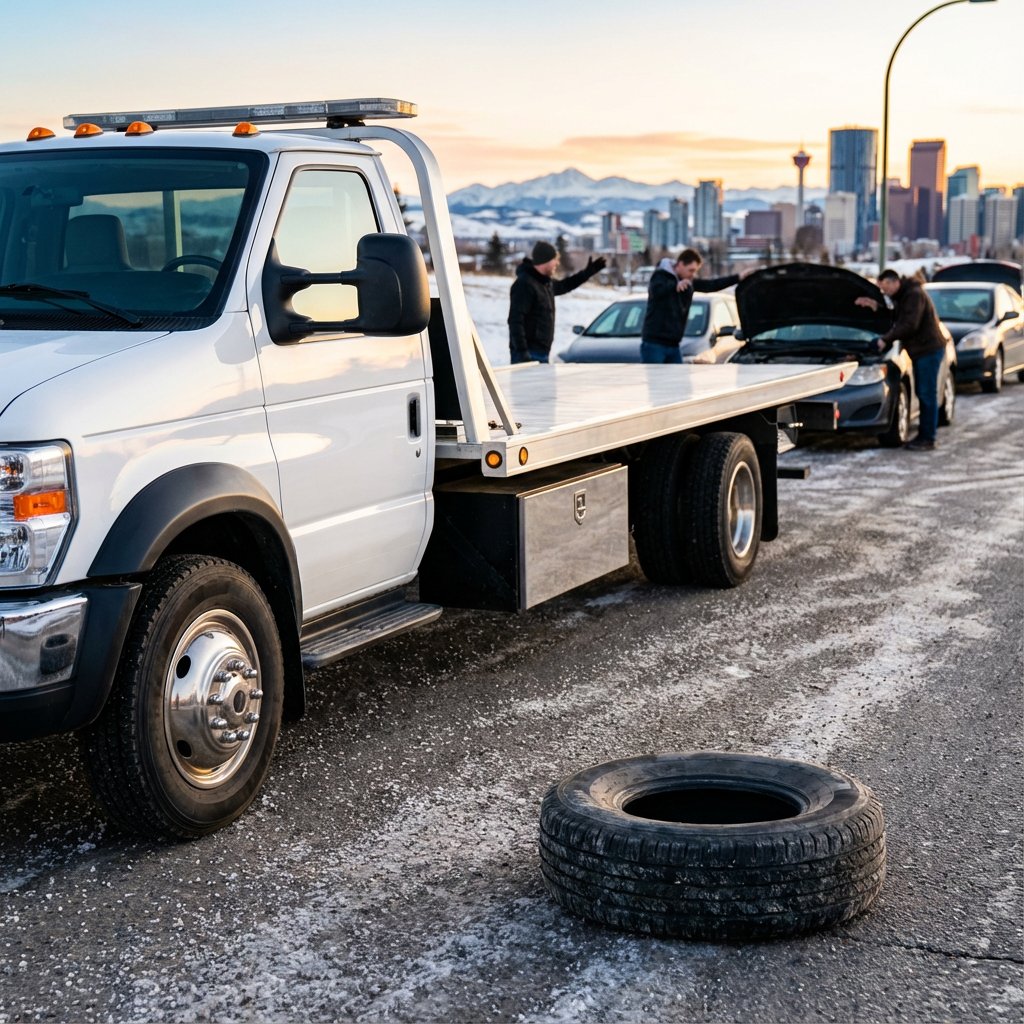
10 Common Reasons Drivers Need a Tow Truck in Calgary AB | And How to Avoid Them
You rely on your vehicle to get you where you need to go, but unexpected issues can hijack your plans. In Calgary, common problems like dead batteries and flat tires can lead to a tow truck call that disrupts your day. Understanding these challenges and implementing preventive measures can keep you on the road. Want to learn how to avoid these potential pitfalls and stay prepared for any situation? Let’s explore the most common towing triggers.
Dead Battery: Causes and Prevention
When you find yourself stranded with a dead battery, it’s often a frustrating reminder of how easily things can go wrong. Batteries don’t last forever; common culprits include age, extreme temperatures, and leaving lights on. If you notice dimming headlights or slow starts, it’s time to test your battery.
Prevention's key—regularly inspect connections for corrosion, and keep the terminals clean. Also, consider getting your battery tested at intervals, especially before harsh weather.
Don’t overlook routine maintenance; ensuring your vehicle’s charging system works effectively can save you from an unexpected tow. If you need to jump-start a dead battery, always follow the correct procedures to avoid damage.
Taking these steps can help you stay on the road and avoid unnecessary hassles.
Flat Tires: How to Avoid Blowouts
Even if you check your tire pressure regularly, the risk of a flat tire looms large, especially if you’re unaware of the warning signs. To avoid blowouts, keep an eye out for uneven wear or bulges on your tires—these are indicators that they may need replacing.
Also, make it a habit to inspect for nails or debris that can cause leaks. Rotating your tires every 5,000 to 7,000 miles helps maintain even wear.
Don’t forget to verify your tires are properly aligned; misalignment can lead to premature wear and blowouts.
Finally, during seasonal changes, adjust your tire pressure to match temperature fluctuations. By staying proactive, you’ll reduce the risk of finding yourself in need of a tow truck.
Running Out of Fuel: Planning Your Trips
Before hitting the road, planning your fuel stops can save you from an inconvenient situation. It’s easy to underestimate how far you can go on a tank, especially during longer trips.
Start by checking your fuel gauge and knowing your vehicle's fuel efficiency. Use apps or maps to locate gas stations along your route, keeping in mind that some areas may have fewer options.
Factor in your driving style—accelerating quickly and frequent stops can decrease mileage. Additionally, consider planning for unforeseen delays, like traffic or roadwork, so you don’t push your luck with fuel levels.
Overheating Engine: Signs and Solutions
Although an overheating engine can happen unexpectedly, recognizing the warning signs early can help you avoid costly repairs and potential breakdowns.
Keep an eye out for a rising temperature gauge, steam coming from under the hood, or unusual noises like knocking and pinging. If your dashboard warning light activates, don’t ignore it.
To prevent engine overheating, guarantee your coolant levels are sufficient and check for leaks regularly.
It's also essential to maintain your radiator and thermostat in good condition. If you notice significant temperature fluctuations, it’s wise to consult a mechanic.
Staying alert to these signs will empower you to take proactive measures, keeping you safe on the road and minimizing the likelihood of needing a tow truck. Tow truck response times.
Engine Failure: Regular Maintenance Tips
While routine maintenance might seem tedious, it’s essential for preventing engine failure and ensuring your vehicle runs smoothly.
Start by checking your oil regularly; change it as recommended to keep engine parts well-lubricated. Don’t ignore your air filters; a clean filter allows for proper airflow, enhancing performance and efficiency.
Pay attention to your coolant levels to prevent overheating, and make sure your belts and hoses are in good condition—frayed ones can lead to serious issues. Additionally, get your spark plugs and battery checked periodically.
Listening for unusual noises and watching for warning lights can help catch problems early. By sticking to a regular maintenance schedule, you’ll not only extend your engine life but also save yourself from unexpected tow truck calls.
Accidents: Defensive Driving to Minimize Risk
When you're behind the wheel, practicing defensive driving can greatly reduce the risk of accidents.
Always stay aware of your surroundings; keep an eye on other drivers and anticipate their actions. Maintain a safe following distance to give yourself ample reaction time. Use your mirrors frequently and be alert for pedestrians and cyclists.
Avoid distractions like texting or fiddling with the radio, as they divert your attention from the road. Additionally, watching for changing weather conditions can keep you prepared and safe.
Remember, your mindset matters; stay calm and collected, and never engage in aggressive driving behaviors.
Key Locked Inside Vehicle: Preventative Measures
Locking your keys inside your vehicle can happen to anyone, and it often strikes at the most inconvenient times.
To prevent this frustrating situation, develop a habit of double-checking before you lock your doors. Designate a specific spot for your keys, whether it’s a hook at home or a dedicated pocket in your bag. Consider using keyless entry or smartphone apps that can open your vehicle remotely.
Another smart option is keeping a spare key hidden securely on your property or giving one to a trusted friend or family member. You might also want to invest in a keychain that alerts you if you've left your keys behind.
These small changes can save you time, money, and hassle.
Transmission Issues: Recognizing Early Signs
Understanding the early signs of transmission issues can save you from a costly breakdown. Pay attention if your vehicle struggles to shift gears or experiences slipping while driving. Unusual noises, like grinding or whining, can indicate a problem as well.
Additionally, if you notice leaks under your car, especially reddish fluid, it’s a sign your transmission may be in trouble. Keep an eye on warning lights on your dashboard; if the check engine light illuminates, don't ignore it.
Finally, a burning smell while driving can signal overheating transmission fluid. By recognizing these early signs, you can address issues proactively and avoid a tow truck situation, ensuring your vehicle remains reliable on the road.
Electrical Failures: Keeping Your Systems Healthy
Although you mightn't think about it often, electrical failures can leave you stranded and in need of a tow truck. Your vehicle’s electrical system powers everything from headlights to the ignition, so neglecting it can lead to issues.
Regularly check the battery and clean any corrosion around the terminals. Pay attention to warning lights on your dashboard; they often signal electrical problems before they escalate. Verify connections are secure and consider getting your alternator tested during routine maintenance.
Additionally, using quality components for repairs can prevent future failures. By taking these proactive steps, you’ll not only keep your vehicle running smoothly but also minimize the risk of an unexpected breakdown in Calgary.
Stay informed, and enjoy your drive!
Weather-Related Incidents: Preparing for Calgary's Climate
Calgary's climate presents unique challenges for drivers, with weather-related incidents being a common reason for needing a tow truck.
To stay safe and avoid getting stranded, it’s vital to prepare your vehicle for all seasons. During winter, equip your car with winter tires for better traction on icy roads. Keep an emergency kit stocked with blankets, food, and a flashlight, guaranteeing you’re ready for unexpected situations.
In spring and summer, watch out for sudden thunderstorms and flash flooding; maintain your windshield wipers to guarantee clear visibility. Always monitor weather forecasts, adjusting your travel plans accordingly.
Conclusion
In Calgary, you can dramatically reduce the chances of needing a tow truck by staying proactive with your vehicle’s upkeep. By regularly checking your battery, tires, and fuel levels, you’re not just preventing common issues; you’re ensuring safer journeys. Remember, a little maintenance goes a long way. So, embrace routine checks, stay informed about your vehicle's needs, and you'll hit the road with confidence, ready for whatever Calgary's unpredictable weather throws your way.
